
Rush Creek and the 2010 flood
In September 2010, rain from Tropical Storm Hermine pushed Arlington’s creeks over their banks, and more than 250 structures flooded across the city, about 50 of them along Rush Creek in the Woodland Park area. The city then bought out the worst-hit properties for about $17 million and turned 23 acres of that land, joined to three existing parks, into an 82-acre park. If your home backs onto a creek, ask a restoration company to check for water under flooring and inside the lower wall after any big storm, even if the water never looked deep.
Johnson Creek and the voluntary buyout program
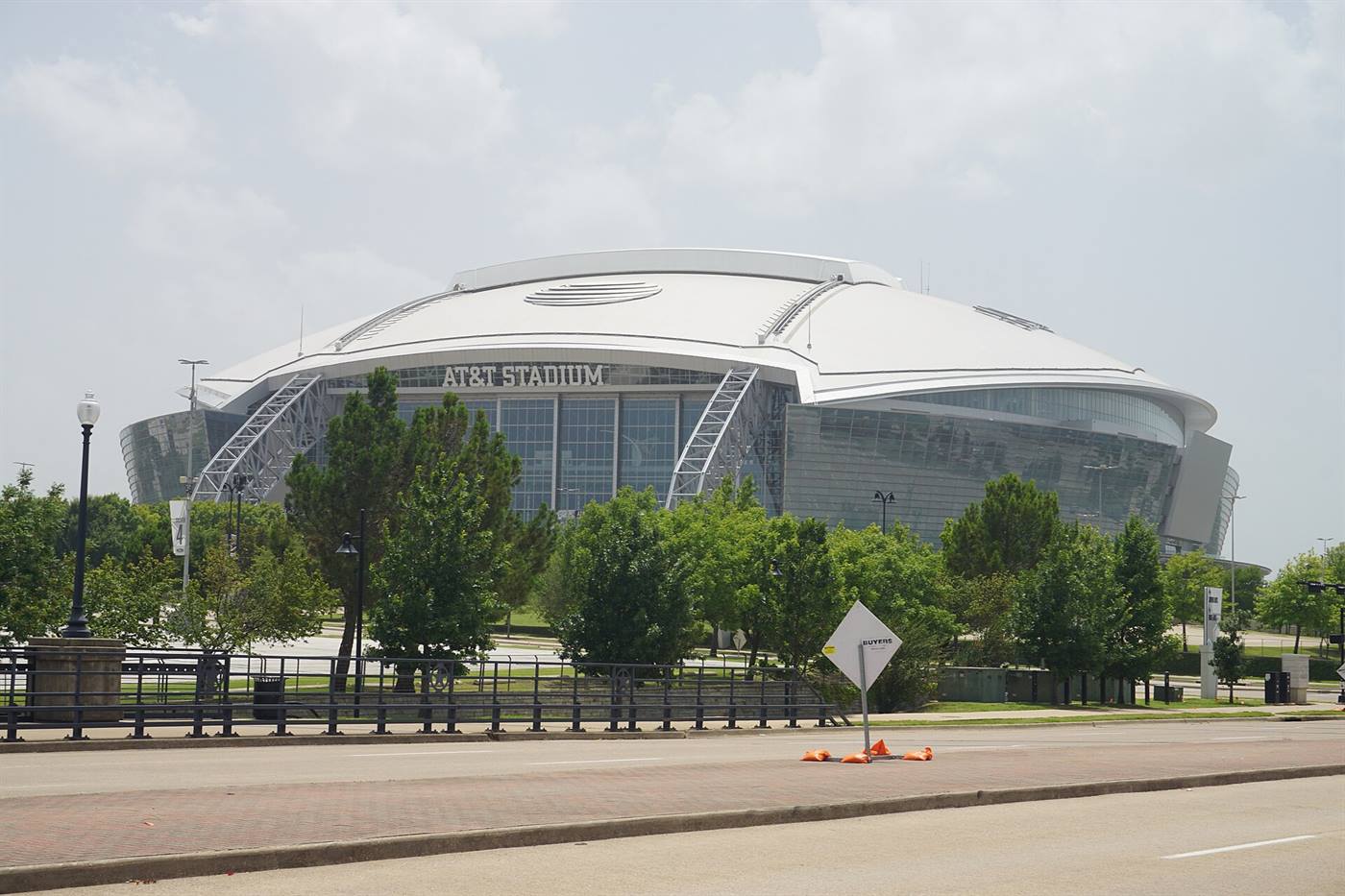
Johnson Creek runs through central Arlington past the Entertainment District around AT&T Stadium. After reports of flooded streets, homes and businesses, the city began drainage improvements on Johnson Creek Tributary 9 to add storm drain and channel capacity. Arlington also runs a Voluntary Flood Buyout Program, through Public Works, for structures that flooded badly or that a watershed study flags as high risk. It is a long-term option, not emergency help, so dry the house first and look into it later if floods repeat.
Water supply and slab leaks
Arlington Water Utilities treats lake water at two plants, including the Pierce-Burch plant at 1901 Lakewood Drive, built in 1972 and modernised in a $112.5 million project. In homes, the frequent problems are the ones common to slab houses across Tarrant County: leaks in lines under the slab as the clay shrinks and swells, water heaters in garages and attics, and AC drain lines that clog in summer. A higher water bill with no visible leak is a reason to call a plumber for a leak test before the floor starts to buckle.
Useful details for your call
- Your neighbourhood and whether the home is near a creek.
- The source of the water and whether it is stopped.
- Which floors are wet: carpet, laminate, tile or wood.
- Whether you plan to claim on insurance.