
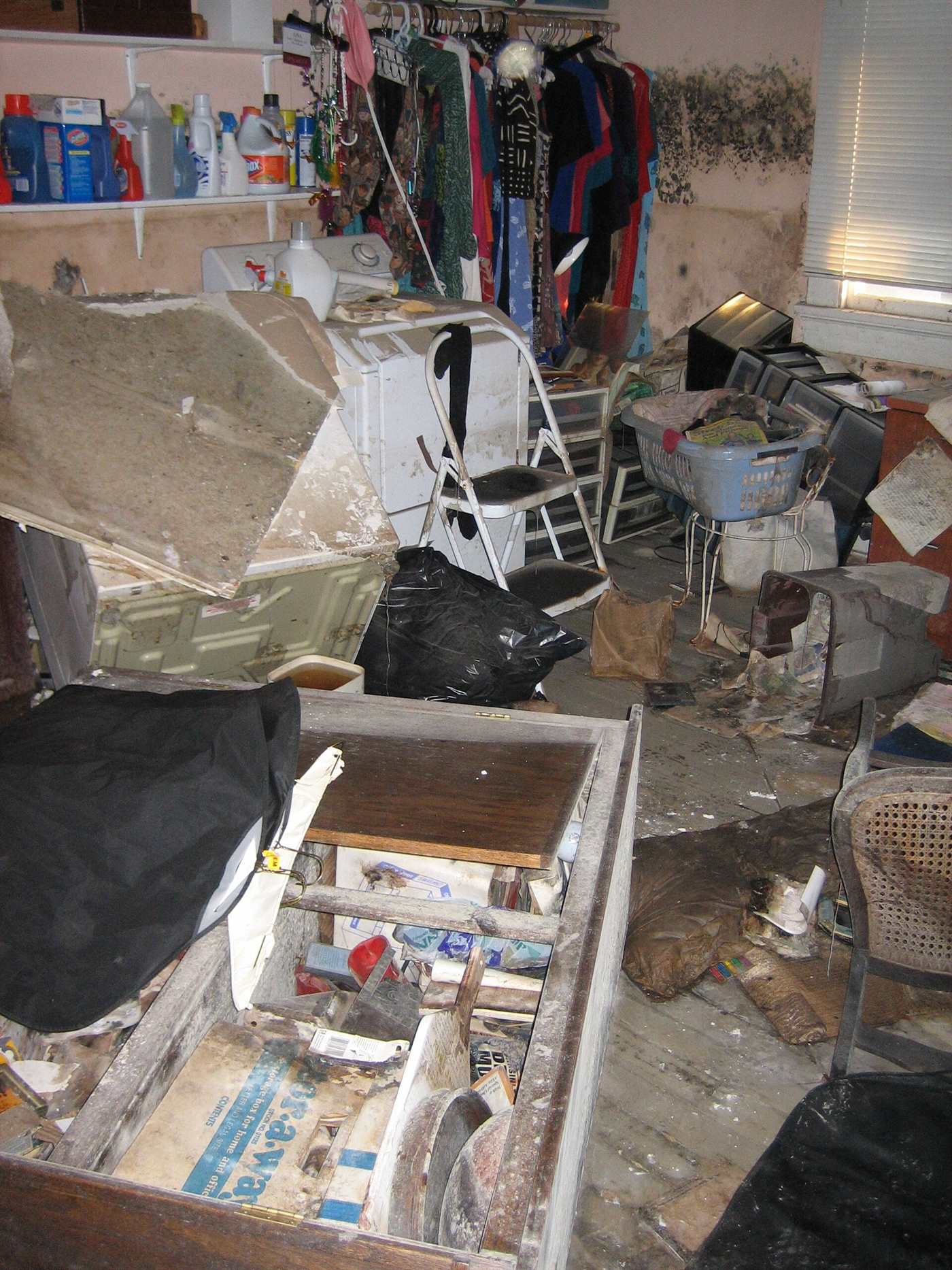
How big is the problem?
The US Environmental Protection Agency suggests that a homeowner can usually clean a mouldy area of less than about 10 square feet (roughly 3 feet by 3 feet) themselves, with gloves, eye protection and an N95 mask, as long as the moisture problem is fixed. Larger areas, mould inside walls or HVAC systems, and mould caused by sewage or contaminated water call for a professional.
In Texas, mould assessment and remediation for areas of 25 contiguous square feet or more is regulated, and the companies doing it must hold a state licence from the Texas Department of Licensing and Regulation. Ask to see the licence number.
Where mould grows in DFW homes
Long, humid summers and air conditioning that runs most of the year make condensation a common source. Look at the AC closet and the drain pan under the indoor unit, attic air handlers and their condensate lines, bathrooms without a working exhaust fan, the wall behind the washing machine, and under kitchen and bathroom sinks. After a leak or flood, mould can start on wet drywall and wood within a few days, which is why fast drying matters.
How remediation works
- Find and fix the moisture. Without this step, mould returns.
- Containment. Plastic sheeting and negative air pressure keep spores from spreading to the rest of the house.
- Removal. Mouldy porous materials (drywall, insulation, carpet) are cut out and bagged; hard surfaces are cleaned.
- HEPA cleaning and drying of the area, then a check that the moisture readings are normal.
Texas rules separate the assessor from the remediator on regulated jobs: one licensed company writes the plan and checks the result, another does the removal. That protects you from a company that both finds and fixes the problem.
Testing, health and insurance
Testing is not always needed when mould is visible; the fix is the same. It is useful when you smell mould but cannot see it, or for clearance after remediation. If someone in the house has asthma, allergies or a weakened immune system, talk to a doctor. Insurance usually covers mould only when it results from a covered, sudden water event, and often with a lower limit.
Common questions
Will bleach kill the mould?
Bleach can lighten mould on hard, non-porous surfaces, but it does not reach roots in drywall or wood, and it should never be mixed with ammonia cleaners. Porous mouldy materials are usually removed.
How do I know the job is finished?
On regulated Texas jobs, a licensed assessor checks the work and issues a clearance. Ask for the paperwork.