
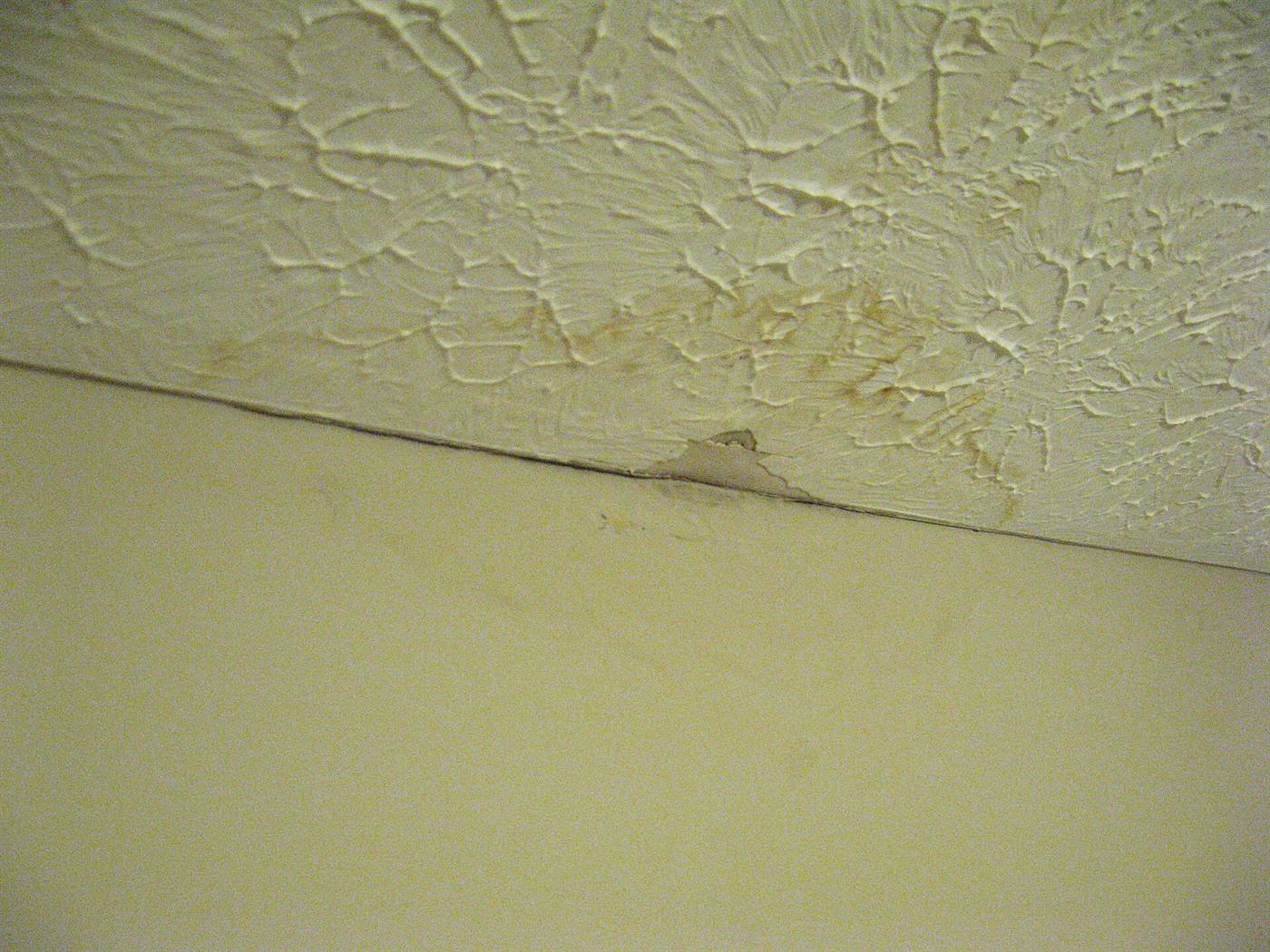
Where the water usually comes from
In North Texas homes the same few sources come up again and again. Pressurised supply lines (the braided hoses under sinks and toilets, the washing machine hoses, the refrigerator ice-maker line) can release a lot of water in an hour because the house keeps pushing water through them until somebody shuts the valve. Tank water heaters, often in a garage, attic or hall closet, fail at the bottom seam after years of sediment. In two-storey homes, an overflowing upstairs tub or an attic air-handler drain pan sends water through the ceiling below.
Slab leaks are their own case. Most DFW houses sit on a concrete slab poured over clay, and a copper or PEX line under that slab can leak for weeks before anyone sees a warm spot on the floor or a jump in the water bill. Those jobs usually need a plumber to find and fix the line before drying can start.
What to do before anyone arrives
- Stop the water. Close the valve at the fixture, or the main shut-off for the house. In many DFW homes the main is in a box near the curb or where the line enters the slab.
- Make it safe. If water is near outlets, cords or a sagging ceiling, switch off those circuits at the breaker panel and stay out of rooms where the ceiling bulges.
- Take photos and video of the water, the source and damaged belongings before you move anything. Insurers ask for them.
- Lift what you can. Put furniture legs on foil or blocks, and move rugs, papers and electronics to a dry room.
How a restoration crew dries a house
The work follows a fairly standard order. The crew measures moisture with meters, often a thermal camera too, to map how far the water travelled under flooring and up the walls. Standing water is extracted with truck-mounted or portable units. Wet carpet pad is usually removed; carpet itself can sometimes be saved if the water was clean and the response was quick.
Then come air movers and dehumidifiers, sized to the room. Walls may get small holes drilled near the floor, or the lower strip of drywall cut away, so air can reach the cavity. The crew comes back to take readings until the materials reach a dry standard. Rebuilding (new drywall, paint, flooring) is a separate phase and is often quoted separately.
What drives the cost
Restoration bills are built from the area affected, the water category, how many days the equipment runs, and what has to be removed and replaced. Water that sat for a day or two costs more to dry than water caught in the first hour. Ask the company you speak with how they bill (most use line-item estimating software that insurers also use), whether they bill your insurer directly, and what is included before work starts.
If you are claiming on homeowners insurance, our guide to documenting water damage for a Texas claim explains what to photograph and keep.
Common questions
Can I dry it myself with fans?
For a small spill on a hard floor, often yes. Once water has soaked carpet pad, run under baseboards or come through a ceiling, household fans rarely reach the wet layers, and hidden moisture is what leads to mould and swollen floors later.
How long does drying take?
It depends on the materials and how wet they are. Drying equipment usually runs for several days, and the crew should show you moisture readings until the job meets a dry standard.